Physical Address
304 North Cardinal St.
Dorchester Center, MA 02124
Physical Address
304 North Cardinal St.
Dorchester Center, MA 02124

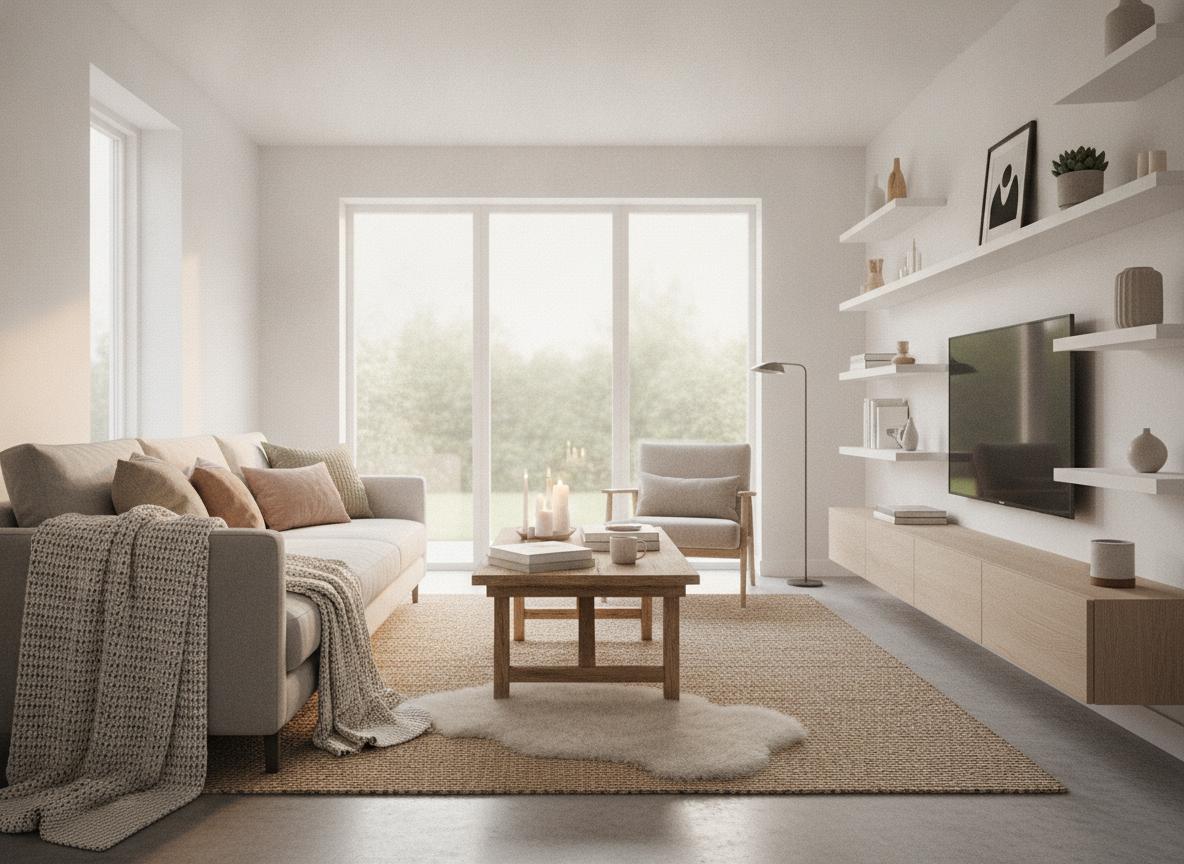
Torn between hygge vs minimalist living room style? Discover the key differences and find which cozy Scandinavian aesthetic truly matches your soul.
If you’ve ever found yourself pinning both chunky knit throws and sleek white shelves in the same afternoon, you’re not alone — the hygge vs minimalist living room debate is one of the coziest dilemmas in home styling today.
Both styles draw from Scandinavian roots and share a love of intentional, calm spaces, yet they feel completely different to live in. Hygge wraps you in warmth, texture, and candlelight, while minimalism clears the clutter and lets your space breathe.
The good news? Understanding what each style truly stands for can help you design a living room that feels deeply personal and effortlessly beautiful. Whether you crave a cozy nest piled with soft blankets or a serene, edited space with clean lines, this guide will help you figure out exactly where your heart belongs — and how to bring that vision to life.
🛍️ Products We Love For This Look:
🧶 Bedsure 100% Hand Knit Chenille Chunky Throw Blanket For Couch – Deep Green — $67.99 at Wayfair
🤍 Amélie Home Chunky Knit Soft Chenille Moss Stitch Throw Blanket – Ivory — $45.99 at Wayfair
🛋️ Amélie Home Luxurious Chunky Knit Soft Chenille Two-Tone Throw Blanket – Blue/Ivory Striped — $36.99 at Wayfair
If you’ve ever walked into a room and immediately felt like someone handed you a warm cup of tea and told you to stay a while — that’s hygge. This Danish concept (pronounced “hoo-gah,” don’t worry, it took me a while too) is less about a specific look and more about a feeling. It’s the art of creating warmth, togetherness, and a sense of deep, everyday coziness in your home. And when we talk about a hygge vs minimalist living room, understanding what hygge actually *is* makes all the difference.
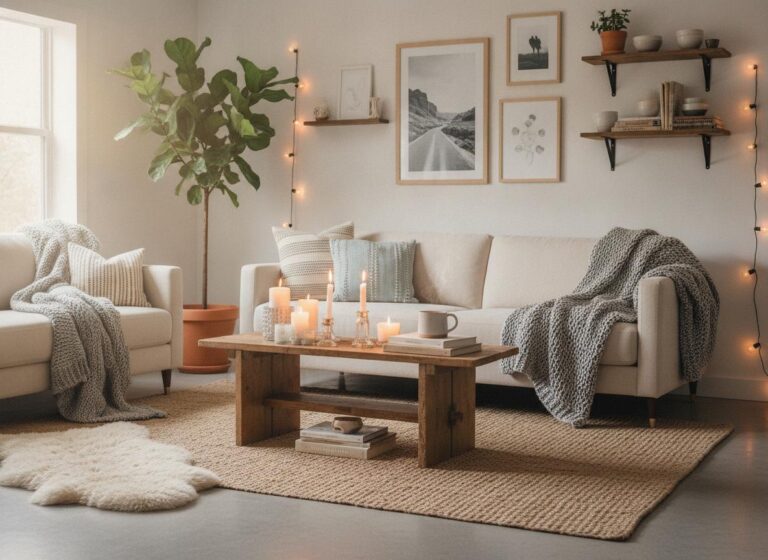
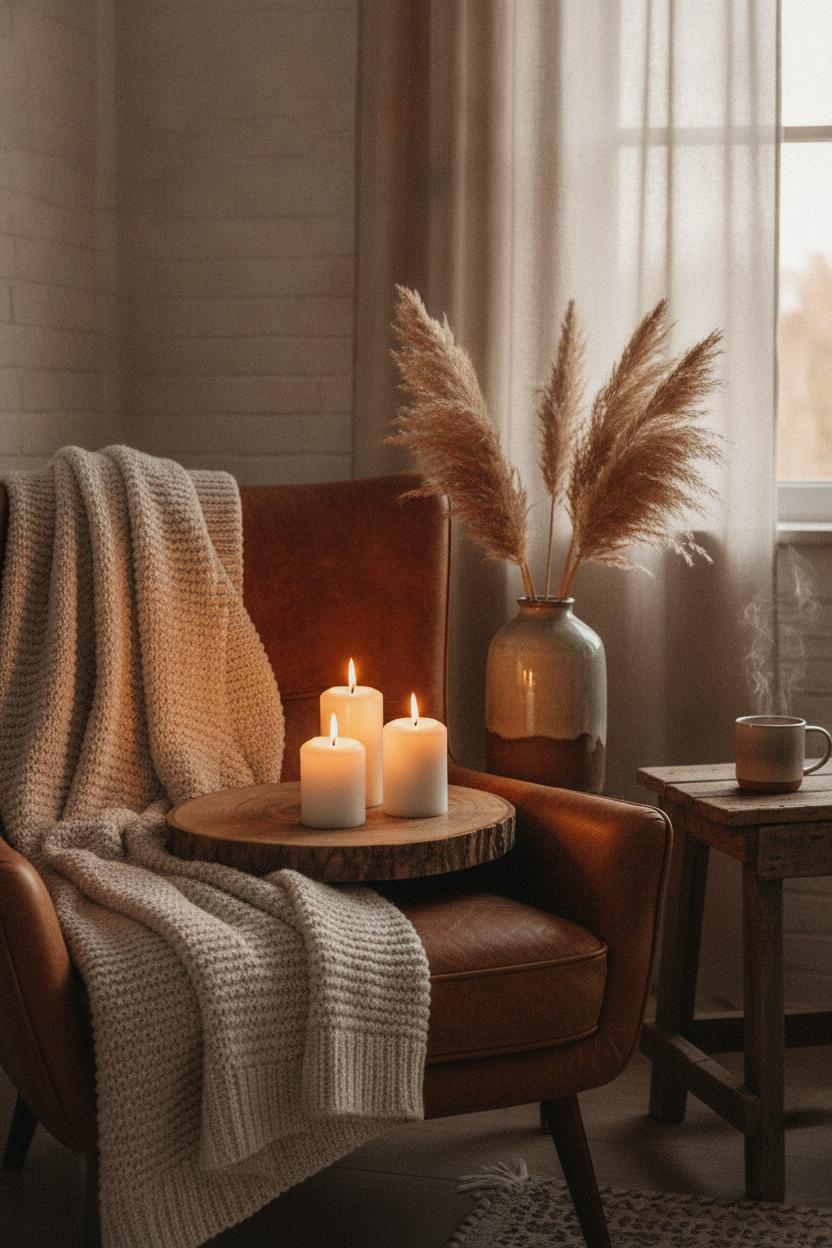
Hygge decor style is rooted in Scandinavian tradition, born from long, dark Nordic winters where creating a sanctuary at home wasn’t just a design choice — it was practically survival. Think flickering candles on a coffee table, chunky knit throws draped over a well-loved sofa, soft amber lighting that makes everything look golden, and little clusters of meaningful objects that tell a story. Nothing is stark, nothing feels untouchable. A hygge living room invites you to sink in, slow down, and breathe.
What makes hygge so special — and honestly, why so many of us are drawn to it right now — is that it celebrates imperfection and humanity. Your dog-eared stack of books on the side table? Totally hygge. The mismatched candles you’ve been burning all autumn? Absolutely hygge. It’s a cozy minimalist interior’s softer, warmer cousin. While both styles share a love for intentionality and cutting out the unnecessary, hygge leans into layers, texture, and that lived-in feeling that makes a house actually feel like *yours*.
The colors tend to be soft and earthy — creamy whites, warm taupes, dusty terracottas, and deep forest greens. Natural materials like wood, linen, wool, and ceramic are at the heart of this Scandinavian home aesthetic. And the lighting? Always, always warm. Hygge is practically allergic to harsh overhead lights. You’ll want floor lamps, fairy lights, and as many candles as your local home store will allow you to carry out in one trip.
At its core, hygge is about designing a space that nurtures you. Not just looks good in a photo (though it definitely does that too), but genuinely makes you feel held at the end of a long day. It’s decor with emotional intent, and once you start designing with that in mind, it’s honestly hard to go back.
🛍️ Products We Love For This Look:
🧶 Bedsure 100% Hand Knit Chenille Chunky Throw Blanket For Couch – Deep Green — $67.99 at Wayfair
🤍 Amélie Home Chunky Knit Soft Chenille Moss Stitch Throw Blanket – Ivory — $45.99 at Wayfair
🛋️ Amélie Home Luxurious Chunky Knit Soft Chenille Two-Tone Throw Blanket – Blue/Ivory Striped — $36.99 at Wayfair
If you’ve ever scrolled through a beautifully styled living room on Pinterest and felt an instant sense of peace wash over you, there’s a good chance you were looking at a minimalist home aesthetic. It’s that clean, intentional look where every single piece in the room feels like it belongs — nothing extra, nothing cluttered, just breathing space and calm. And honestly? There’s something genuinely magical about it.
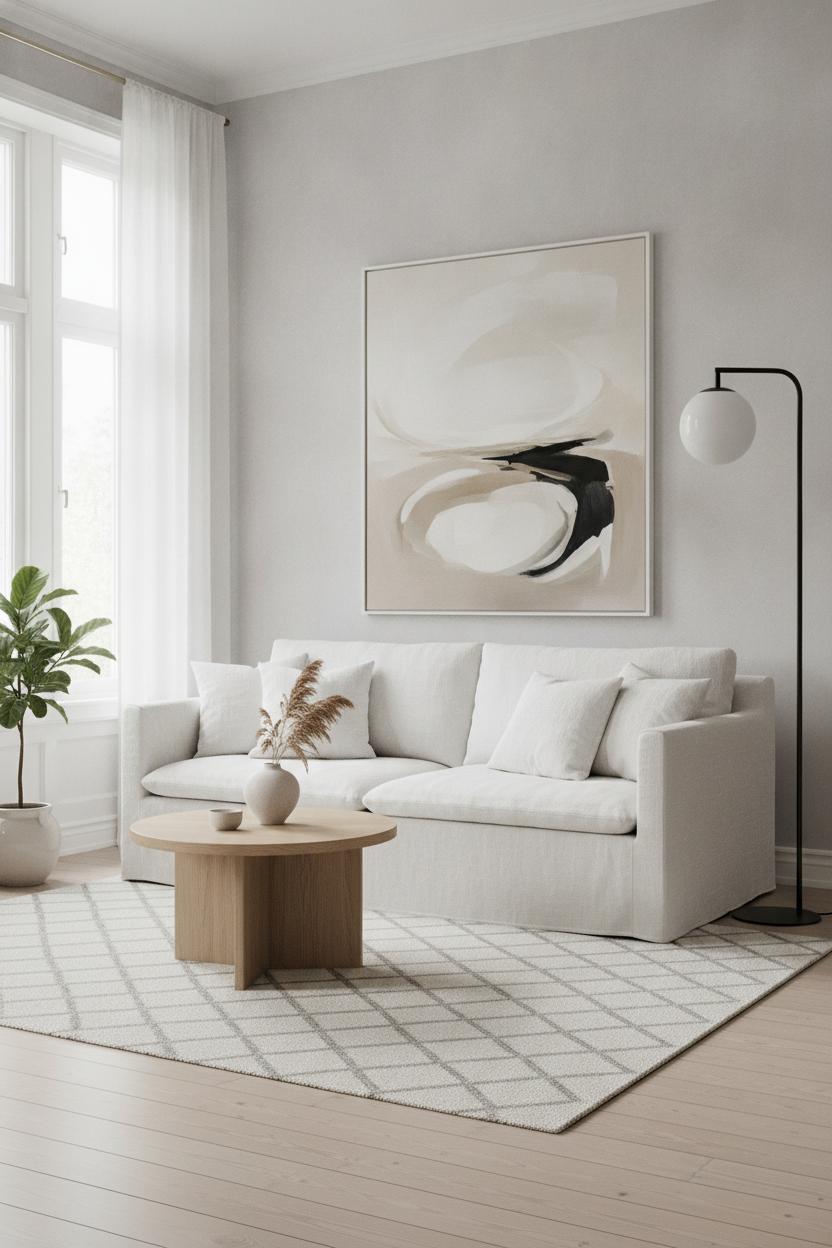
At its heart, minimalism is about stripping things back to what truly matters. Think neutral color palettes — soft whites, warm creams, gentle grays — paired with furniture that’s simple in shape but high in quality. There are no collections of trinkets on the shelves, no layered throws fighting for attention. Instead, you get open surfaces, natural light flowing freely, and a kind of visual silence that lets your mind actually rest when you walk into the room.
What makes the minimalist home aesthetic so calming is the psychology behind it. When our eyes don’t have to “process” a hundred different things at once, our nervous system genuinely relaxes. It’s the same reason you might feel more at ease in a tidy hotel room than in a busy, over-decorated space. Minimalism removes the visual noise, and in doing so, it creates a room that almost meditates for you.
Now here’s where it gets interesting when we talk about the hygge vs minimalist living room conversation — because the two styles are closer than you might think. Scandinavian design actually bridges both worlds beautifully. A cozy minimalist interior keeps the clean lines and intentional editing of minimalism but softens it with warm textures, candlelight, and natural materials like wood and linen. It never feels cold or sterile because warmth is always layered in thoughtfully.
The difference really comes down to emotional intent. Minimalism asks, “Do I need this?” while hygge asks, “Does this make me feel good?” In a purely minimalist living room, a single ceramic vase on a shelf is enough. And there’s real beauty in that restraint. If you’re someone who feels most at peace in an uncluttered, breathable space — if a clear countertop genuinely lifts your mood — then the minimalist approach might just be your happy place. It’s a style that rewards simplicity and teaches you to find joy in less, which, if you ask me, is a pretty wonderful way to live.
🛍️ Products We Love For This Look:
🧶 Bedsure 100% Hand Knit Chenille Chunky Throw Blanket For Couch – Deep Green — $67.99 at Wayfair
🤍 Amélie Home Chunky Knit Soft Chenille Moss Stitch Throw Blanket – Ivory — $45.99 at Wayfair
🛋️ Amélie Home Luxurious Chunky Knit Soft Chenille Two-Tone Throw Blanket – Blue/Ivory Striped — $36.99 at Wayfair
If you’ve ever scrolled through Pinterest and saved both a super cozy candlelit living room and a sleek, barely-there white space in the same sitting, you’re definitely not alone. The hygge vs minimalist living room debate is one I get asked about all the time, and honestly? Both styles have so much to love. But they do approach the idea of a beautiful home from very different angles, and understanding those differences can really help you figure out which one actually speaks to your soul.
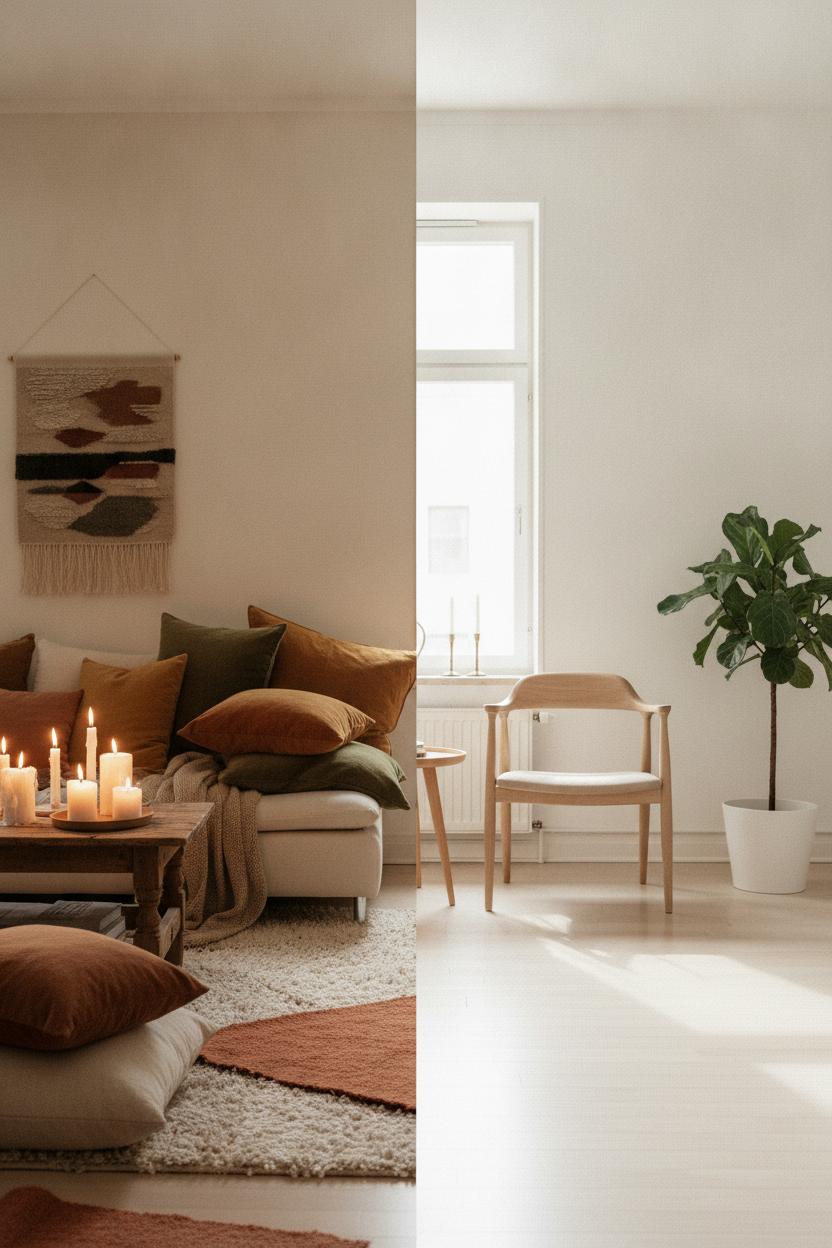
Let’s start with hygge decor style, because it is truly all about feeling. A hygge living room leans into warmth, texture, and that wonderful sense of being wrapped up in a hug. Think chunky knit throws piled generously on a worn-in sofa, mismatched candles flickering on a wooden coffee table, and shelves full of books, plants, and little meaningful objects collected over time. Nothing needs to match perfectly — in fact, the slight imperfection is exactly what makes it feel so lived-in and inviting. Hygge celebrates abundance in the coziest sense of the word.
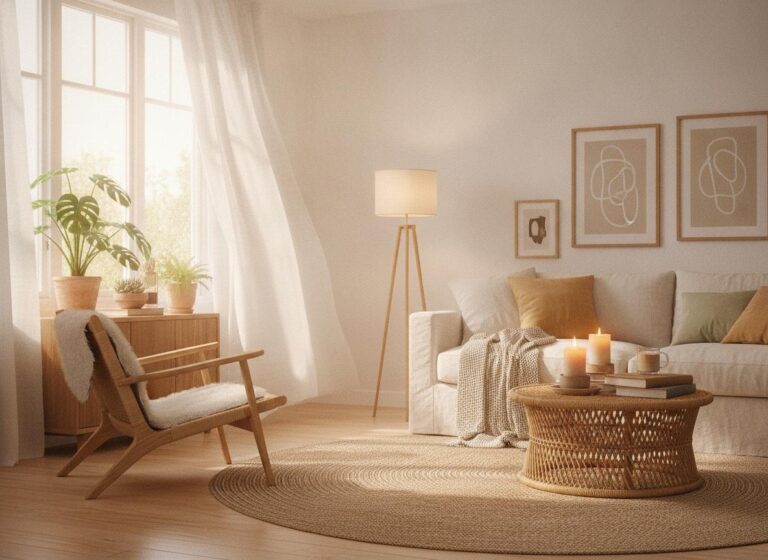
Minimalist interiors, on the other hand, find their magic in restraint. A minimalist home aesthetic is built around the idea that less truly is more — clean lines, a carefully edited colour palette, and only the pieces that genuinely serve a purpose or bring real beauty to the space. There’s a certain calm that comes from walking into a minimalist living room where everything has its place and the eye has room to rest. It’s intentional, almost meditative, and incredibly satisfying when done with warmth rather than coldness.
Here’s where it gets interesting though — the Scandinavian home tradition is actually the parent of both these styles, which means they share more DNA than you might think. Both value quality over quantity, both appreciate natural materials like wood, linen, and stone, and both are deeply rooted in the idea that your home should genuinely support your wellbeing. The main fork in the road is really about how much softness and layering you want around you. Hygge says pile it on, make it personal, make it warm. Minimalism says choose carefully, keep it breathing, let simplicity do the work.
Neither one is better — it really comes down to how you want to feel when you walk through your front door. Do you want to sink into a space that feels like a big cosy embrace, or do you crave that calm, uncluttered exhale? Once you know your answer, decorating becomes so much easier and so much more fun. And honestly, as we’ll explore a little further on, there’s always room to borrow the best bits from both worlds.
🛍️ Products We Love For This Look:
🧶 Bedsure 100% Hand Knit Chenille Chunky Throw Blanket For Couch – Deep Green — $67.99 at Wayfair
🤍 Amélie Home Chunky Knit Soft Chenille Moss Stitch Throw Blanket – Ivory — $45.99 at Wayfair
🛋️ Amélie Home Luxurious Chunky Knit Soft Chenille Two-Tone Throw Blanket – Blue/Ivory Striped — $36.99 at Wayfair
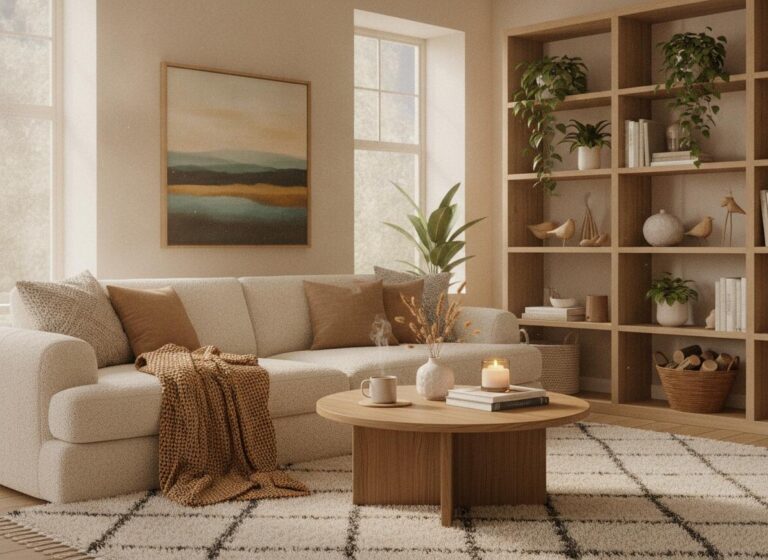
Here’s a little secret that took me way too long to figure out: you don’t actually have to choose between hygge and minimalism. In fact, some of the most beautiful Scandinavian homes I’ve ever swooned over on Pinterest do exactly this — they hold both at once, and the result is something truly magical. Think warm, breathing spaces that feel intentional but never cold, simple but never empty. That sweet spot? That’s your cozy minimalist interior, and honestly, it might just be the style your living room has been waiting for.
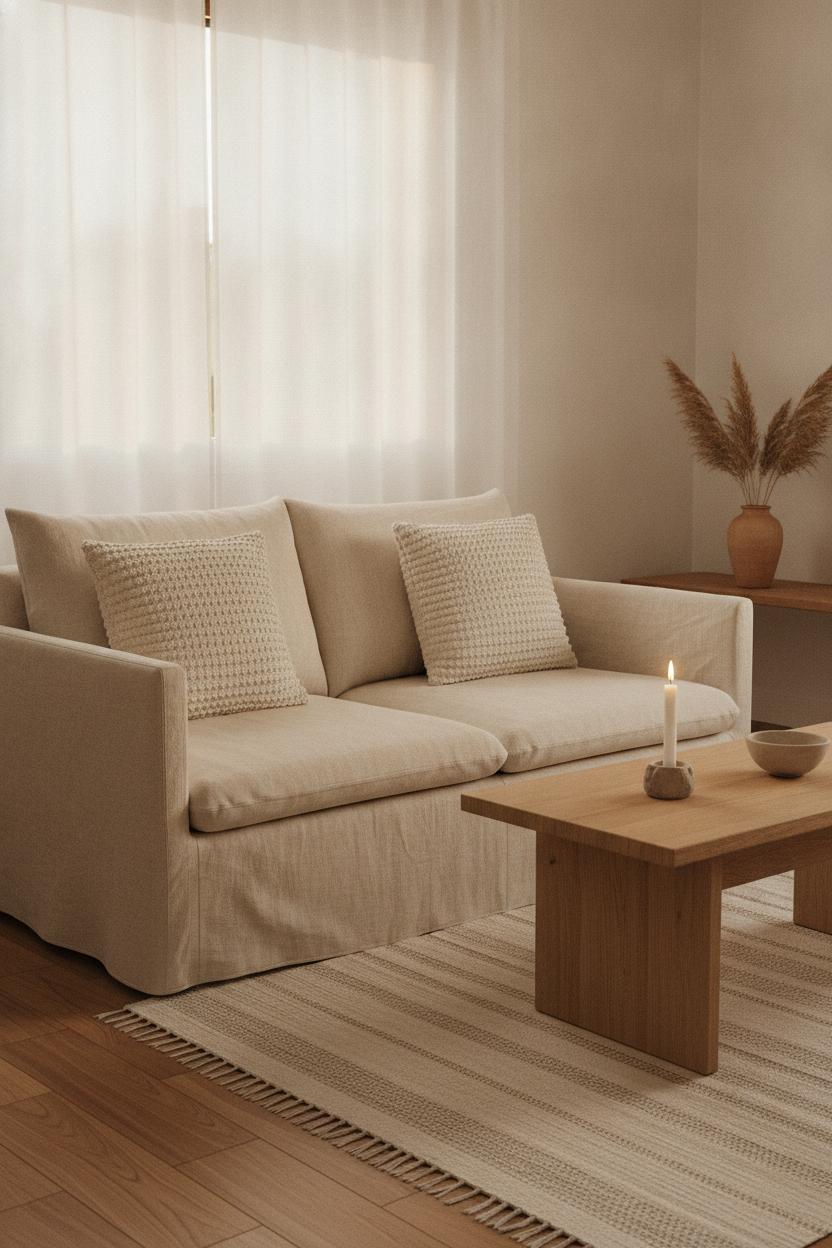
The key to blending a hygge vs minimalist living room approach is to think less about “less is more” and more about “only what brings warmth.” In a purely minimalist space, you’d strip everything back to clean lines and neutral tones. But when you layer in hygge decor style, you start adding texture, softness, and a little soul. We’re talking a chunky knit throw draped over the arm of a simple linen sofa, a small stack of well-loved books on a sleek wooden shelf, or a single candle casting a golden glow on an otherwise spare side table. Nothing excessive — just enough to make the room feel like it actually wants you to sit down and stay a while.
When it comes to color and materials, lean into the natural world. Warm whites, soft oat tones, muted terracotta, and the deep richness of wood grains all do the heavy lifting here without creating visual clutter. A minimalist home aesthetic keeps things calm and unbusy, while your hygge touches — a sheepskin rug, dried botanicals in a simple vase, the flicker of a candle — bring that undeniable coziness in quietly and beautifully. It’s a conversation between stillness and warmth, and the two speak the same language more than you’d think.
My biggest tip? Edit with intention. Before anything goes into your living room, ask yourself: does this feel good, and does it earn its place? That question works perfectly for both design philosophies. A minimal space doesn’t tolerate clutter, and a hygge space doesn’t tolerate things that don’t spark comfort. When you apply both filters at once, you end up with a room that genuinely reflects you — curated, cozy, and completely breathable. No overwhelm, no sterile corners. Just a living room that wraps around you like your favorite cardigan on a grey autumn morning.
Whether your heart belongs fully to hygge, minimalism, or the beautiful space somewhere in between, the most important thing is that your living room feels like yours. There is no rulebook when it comes to creating a home that brings you joy. When exploring the hygge vs minimalist living room debate, the real winner is always the style that makes you exhale the moment you walk through the door. Trust your instincts, follow what makes you feel cozy and calm, and design a space you truly love. ✨
Save this post for later and pin it to your favorite board! 📌